
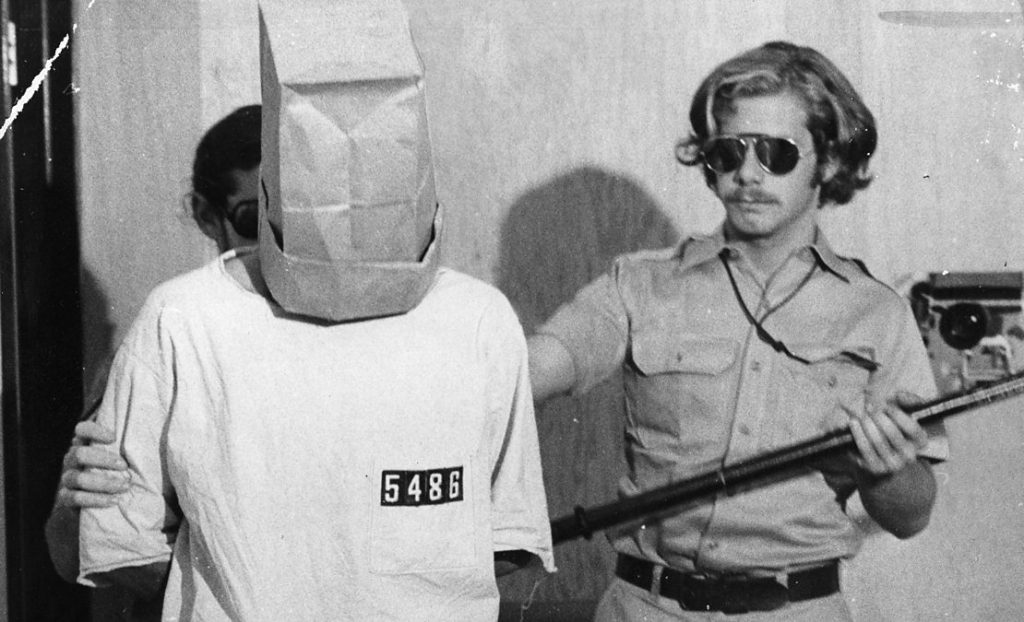
The Zimbardo Prison Experiment, conducted in 1971 at Stanford University, remains one of the most controversial and influential studies in the field of social psychology. Designed by Dr. Philip Zimbardo, the experiment aimed to examine how individuals behave when placed in positions of power or subordination. Twenty-four psychologically healthy male students were randomly assigned to act as either guards or prisoners in a simulated prison environment. What unfolded shocked the world.
Within just a few days, participants’ behaviours shifted dramatically. Guards began displaying authoritarian, even abusive, tendencies, while prisoners became increasingly passive, stressed, and emotionally distressed. The experiment, scheduled to last two weeks, was terminated after only six days due to the disturbing psychological effects it produced.

One of the most important lessons from the Zimbardo Prison Experiment is the concept of the power of situational forces. Rather than personality alone shaping behaviour, Zimbardo suggested that social roles and environmental pressures can prompt ordinary people to commit acts they would never consider under normal circumstances. This idea has influenced discussions on ethics, prison reform, and the responsibilities of those in positions of authority.
Despite criticisms about methodology and ethics, the experiment remains a powerful reminder of how quickly human behaviour can change under extreme conditions. Today, it continues to spark debate about morality, authority, and the fragile boundaries of human identity.
 strangeparadise.co.uk